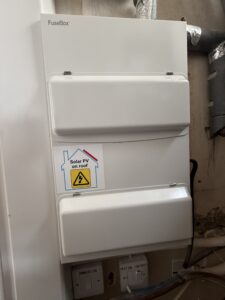
Most home battery systems installed in the UK use lithium-based chemistry. This homeowner wanted to go a step further on sustainability, and chose a sodium-ion battery system from Eleven Energy, a UK company developing lower-impact alternatives to lithium storage.
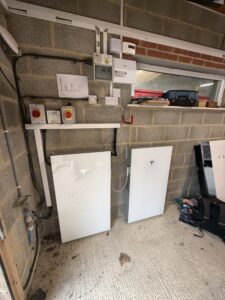
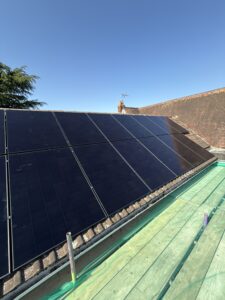
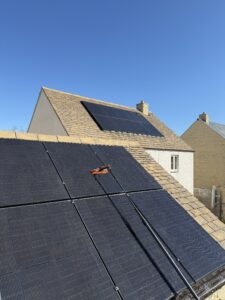
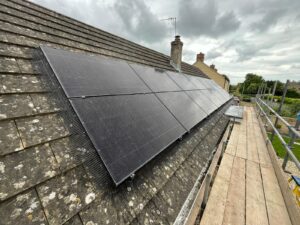
10 Eurener bifacial panels were installed alongside an Eleven Energy hybrid inverter and four sodium-ion battery modules. The result is a system where the storage is chosen with the same environmental priorities as the solar itself.
System highlights
-
- 10 x Eurener Nexa 500W TOPCon bifacial panels
-
- 5.0kWp total system size
-
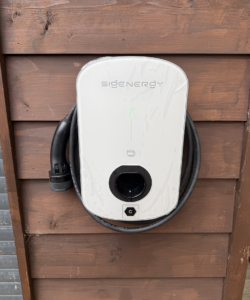
- 1 x Eleven Energy North Sea EL6000 6kW hybrid inverter
-
- 4 x Eleven Energy Galvani 4.5kWh sodium-ion batteries (18kWh total storage)
What does this mean?
The system is expected to generate around 4,700kWh of electricity a year. On a good summer’s day, that can be between 20 and 25kWh. In spring and autumn, it typically falls to around 9 to 15kWh, and in winter, to between 2 and 4kWh. With 18kWh of battery storage, surplus solar generated during the day is stored for use in the evening and overnight, rather than exported unused.
For a typical household, that translates to self-sufficiency levels of up to 90% in the summer, 45 to 65% in spring and autumn and 10 to 25% in the winter. The batteries can also charge from the grid during off-peak tariff periods, so lower-cost electricity is stored and used when prices are higher.
Why sodium-ion?
Sodium is one of the most abundant elements on Earth, and can be sourced from seawater and common minerals. Using it in place of lithium reduces reliance on lithium mining and avoids materials such as cobalt, which are often linked to environmental and ethical concerns.
Eleven Energy, whose name comes from sodium’s atomic number, designs its batteries and inverters to work together as one system, built specifically around sodium-ion chemistry.
Key benefits
Lower environmental impact: Abundant, non-toxic materials make for a more responsible choice of energy storage.
Built for UK conditions: The batteries operate from -20°C to 55°C, making them well suited to outdoor installations and outbuildings, where lithium batteries can charge less effectively in the cold.
Large battery storage: 18kWh of storage means more of the day’s solar is available in the evening and overnight.
Intelligent energy management: The hybrid inverter includes smart tariff compatibility and backup power functionality, with energy flows managed automatically.
UK-developed technology: Choosing Eleven Energy supports British innovation in renewable energy.
Solar and battery installations for domestic properties are zero-rated for VAT. With panel prices at their lowest for years and grid electricity costs continuing to rise, we are seeing an increase in demand across Oxfordshire and the Cotswolds.
Thinking about solar and battery storage for your home? Get in touch to arrange a free estimate.